January, 2026.
Procedural Dungeons and Bio-Zones: Feature Overview
Procedural Dungeon System
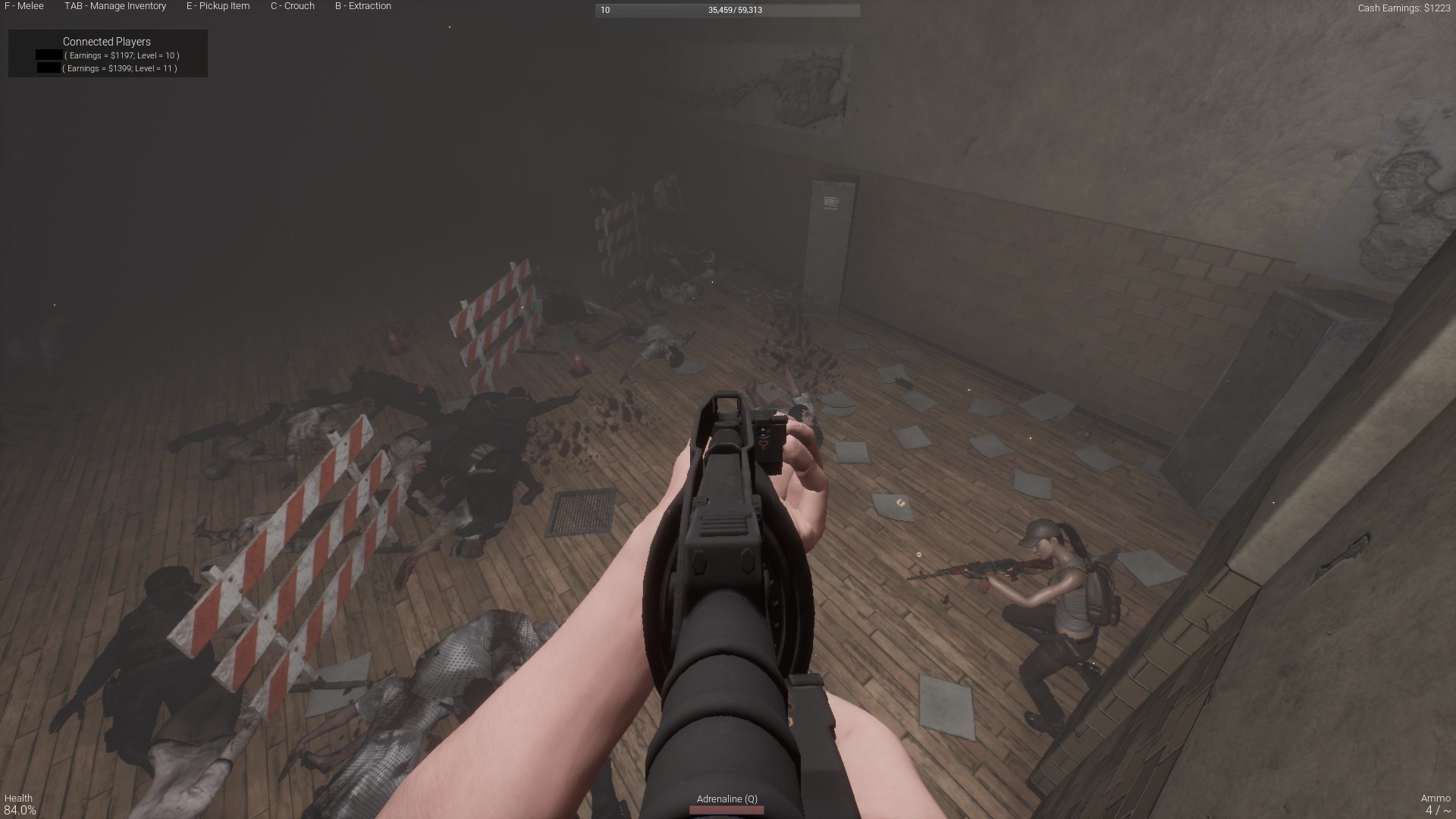
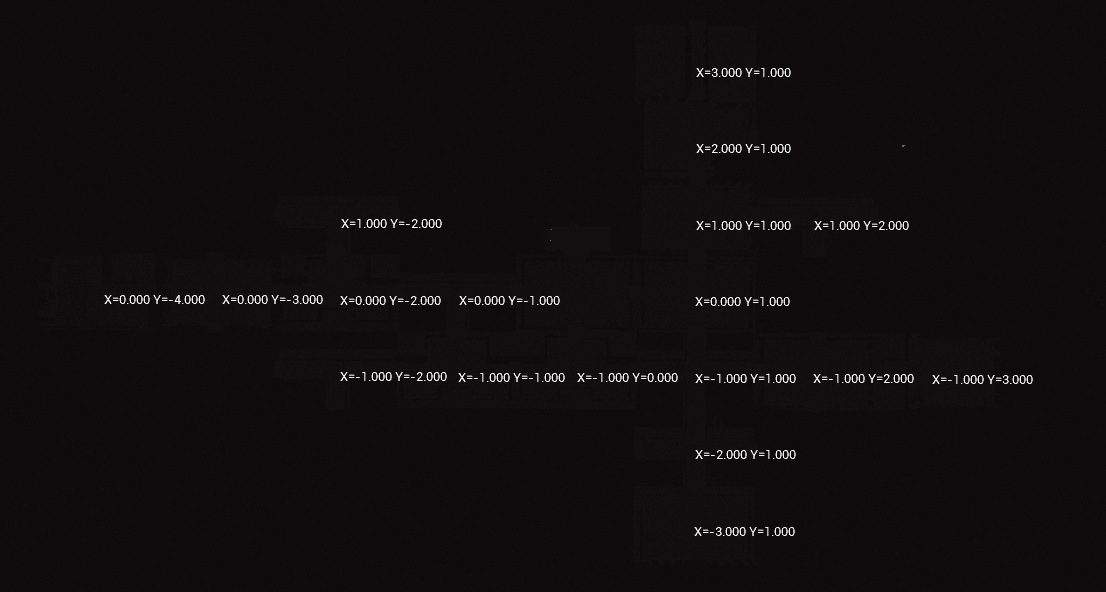
Elysia Sector’s levels strike a deliberate balance between procedurally generated dungeons and hand‑crafted spaces. We use a 30:70 split to get the best mix of efficiency and authored detail. Each dungeon is built from preset room modules placed on a grid, rotating automatically based on doorway alignment. The system loops through a simple but effective cycle: Generate Room > Read Doorways > Generate Connected Rooms, creating a dense web of branching paths.
Every doorway type has its own set of compatible presets, eg, a north facing hallway can only link to north or south‑aligned rooms, keeping layouts coherent while still varied. Once a room is chosen, advanced optimisation techniques like HISM replace all static meshes inside the preset for maximum performance.
The twist is that each preset only has a chance of being procedural. Some are generated, some are hand‑built, and the blend makes players feel like they’re exploring huge, unpredictable floors scattered throughout the HDFC Station.
Procedural Prop Placement
During this phase, I explore techniques for procedurally placing props and markers across an isolated Z‑axis plane, with around 100–500 units of tolerance to account for hills and uneven scenery. Before a prop is placed, the system reads its asset bounds and checks those vectors against all previously spawned props. This gives us the effect of a collision pass without the heavy cost of running actual collision checks, crucial, because if generation stalls, player interest drops fast.
Each placement also runs through a set of variables for that instance: which asset database to draw from, how dense the placement should be, which zones are active, how much variety to introduce, and so on. Combined with the earlier room generation system, this allows entire levels to form in seconds, keeping pace with handcrafted content.
Procedural Bio-Zones
Using noise generation, we build full landscapes for our Bio‑Zones. Paired with prop placement (instead of dungeon layouts), this creates dense, open environments packed with life. The landscape materials read the Z‑axis to decide which material set each vertex should use, with tiling that dynamically adjusts based on camera distance.
This setup is ideal for our procedural flying demons, which rely on my own custom Nav‑Mesh techniques to navigate the open air. The vertical freedom in these zones gives them plenty of space to spawn above the player and swoop down from any angle, a sharp contrast to the tight, claustrophobic dungeons encountered earlier.
Hybrid Procedural User-Experience
The core rule I follow is simple: procedural content should always feed into or from handcrafted spaces. Player engagement drops fast when they hit long stretches of purely procedural layouts, so every Dungeon or Bio-Zone connects back into a high quality, hand built extraction zone filled with vendors, demons, and striking visuals to keep interest high before they move on to the next Dungeon or Bio Zone.
These systems are still evolving, but they’re already robust and highly performant. More preset rooms and additional dungeon biomes are planned, expanding the variety and keeping the experience fresh.
Procedural Dungeon System
Elysia Sector’s levels strike a deliberate balance between procedurally generated dungeons and hand‑crafted spaces. We use a 30:70 split to get the best mix of efficiency and authored detail. Each dungeon is built from preset room modules placed on a grid, rotating automatically based on doorway alignment. The system loops through a simple but effective cycle: Generate Room > Read Doorways > Generate Connected Rooms, creating a dense web of branching paths.
Every doorway type has its own set of compatible presets, eg, a north facing hallway can only link to north or south‑aligned rooms, keeping layouts coherent while still varied. Once a room is chosen, advanced optimisation techniques like HISM replace all static meshes inside the preset for maximum performance.
The twist is that each preset only has a chance of being procedural. Some are generated, some are hand‑built, and the blend makes players feel like they’re exploring huge, unpredictable floors scattered throughout the HDFC Station.
Procedural Prop Placement
During this phase, I explore techniques for procedurally placing props and markers across an isolated Z‑axis plane, with around 100–500 units of tolerance to account for hills and uneven scenery. Before a prop is placed, the system reads its asset bounds and checks those vectors against all previously spawned props. This gives us the effect of a collision pass without the heavy cost of running actual collision checks, crucial, because if generation stalls, player interest drops fast.
Each placement also runs through a set of variables for that instance: which asset database to draw from, how dense the placement should be, which zones are active, how much variety to introduce, and so on. Combined with the earlier room generation system, this allows entire levels to form in seconds, keeping pace with handcrafted content.
Procedural Bio-Zones
Using noise generation, we build full landscapes for our Bio‑Zones. Paired with prop placement (instead of dungeon layouts), this creates dense, open environments packed with life. The landscape materials read the Z‑axis to decide which material set each vertex should use, with tiling that dynamically adjusts based on camera distance.
This setup is ideal for our procedural flying demons, which rely on my own custom Nav‑Mesh techniques to navigate the open air. The vertical freedom in these zones gives them plenty of space to spawn above the player and swoop down from any angle, a sharp contrast to the tight, claustrophobic dungeons encountered earlier.
Hybrid Procedural User-Experience
The core rule I follow is simple: procedural content should always feed into or from handcrafted spaces. Player engagement drops fast when they hit long stretches of purely procedural layouts, so every Dungeon or Bio-Zone connects back into a high quality, hand built extraction zone filled with vendors, demons, and striking visuals to keep interest high before they move on to the next Dungeon or Bio Zone.
These systems are still evolving, but they’re already robust and highly performant. More preset rooms and additional dungeon biomes are planned, expanding the variety and keeping the experience fresh.
Procedural Dungeon System
Elysia Sector’s levels strike a deliberate balance between procedurally generated dungeons and hand‑crafted spaces. We use a 30:70 split to get the best mix of efficiency and authored detail. Each dungeon is built from preset room modules placed on a grid, rotating automatically based on doorway alignment. The system loops through a simple but effective cycle: Generate Room > Read Doorways > Generate Connected Rooms, creating a dense web of branching paths.
Every doorway type has its own set of compatible presets, eg, a north facing hallway can only link to north or south‑aligned rooms, keeping layouts coherent while still varied. Once a room is chosen, advanced optimisation techniques like HISM replace all static meshes inside the preset for maximum performance.
The twist is that each preset only has a chance of being procedural. Some are generated, some are hand‑built, and the blend makes players feel like they’re exploring huge, unpredictable floors scattered throughout the HDFC Station.
Procedural Prop Placement
During this phase, I explore techniques for procedurally placing props and markers across an isolated Z‑axis plane, with around 100–500 units of tolerance to account for hills and uneven scenery. Before a prop is placed, the system reads its asset bounds and checks those vectors against all previously spawned props. This gives us the effect of a collision pass without the heavy cost of running actual collision checks, crucial, because if generation stalls, player interest drops fast.
Each placement also runs through a set of variables for that instance: which asset database to draw from, how dense the placement should be, which zones are active, how much variety to introduce, and so on. Combined with the earlier room generation system, this allows entire levels to form in seconds, keeping pace with handcrafted content.
Procedural Bio-Zones
Using noise generation, we build full landscapes for our Bio‑Zones. Paired with prop placement (instead of dungeon layouts), this creates dense, open environments packed with life. The landscape materials read the Z‑axis to decide which material set each vertex should use, with tiling that dynamically adjusts based on camera distance.
This setup is ideal for our procedural flying demons, which rely on my own custom Nav‑Mesh techniques to navigate the open air. The vertical freedom in these zones gives them plenty of space to spawn above the player and swoop down from any angle, a sharp contrast to the tight, claustrophobic dungeons encountered earlier.
Hybrid Procedural User-Experience
The core rule I follow is simple: procedural content should always feed into or from handcrafted spaces. Player engagement drops fast when they hit long stretches of purely procedural layouts, so every Dungeon or Bio-Zone connects back into a high quality, hand built extraction zone filled with vendors, demons, and striking visuals to keep interest high before they move on to the next Dungeon or Bio Zone.
These systems are still evolving, but they’re already robust and highly performant. More preset rooms and additional dungeon biomes are planned, expanding the variety and keeping the experience fresh.